 RED SUNSHINE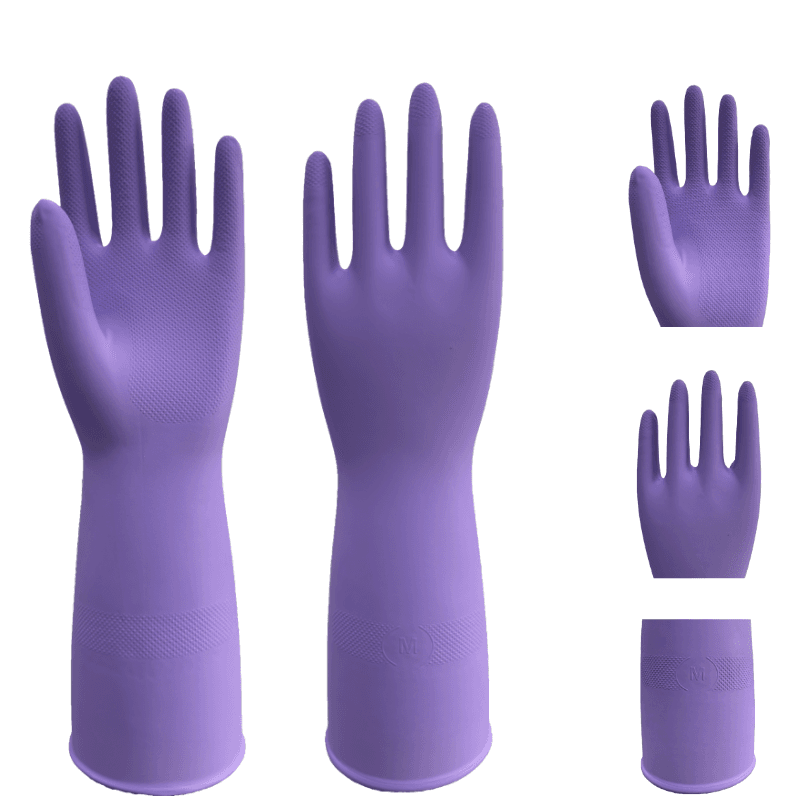
Product overview
Grip is often treated as a small feature in a reusable-glove quotation. For a distributor, private-label buyer or contract-cleaning supplier, it deserves a clearer specification. The right surface pattern can support a more confident hold on tools, cloths, bottles and routine cleaning equipment; the wrong choice can make a product feel less practical in the buyer’s intended workflow. This guide explains how to evaluate reusable glove grip patterns without turning a visual detail into an unsupported performance claim.
A grip pattern should always be reviewed together with material, fit, length, lining, thickness, packaging and the actual cleaning task. RSG Gloves supplies reusable latex household gloves, nitrile household gloves and PVC household gloves for buyers discussing private-label and bulk programs. Sampling remains the best way to confirm whether a proposed glove is suitable for a particular job.
What a reusable glove grip pattern is
A reusable glove grip pattern is the surface texture formed on the palm, fingers or both areas. It may look like a diamond, pebble, raised dot, embossed line or another repeating texture. The pattern changes the contact surface between the glove and an object. It does not guarantee a result in every situation: water, detergent residue, temperature, object shape, user technique and glove fit all influence the experience.
For procurement, the practical question is not “Which pattern is best?” It is “Which pattern is appropriate for the product’s target use, and can the factory reproduce it consistently?” Put another way, grip is a specification and quality-control topic, not only a marketing phrase.
Start with the real handling task
Describe the objects the end user is expected to hold before selecting texture. A household-cleaning range may involve wet cloths, sponge handles, buckets, spray bottles, dishware and small accessories. A commercial-cleaning program may add mop components, dispensers, waste containers and repetitive wiping tools. Dry handling may include cartons, retail packs or light general-purpose items.
Ask the sales team or end customer for examples of the task instead of relying on one broad label such as “cleaning gloves.” A buyer can then test a sample using representative objects. This keeps the decision anchored in a real workflow and avoids implying that one glove provides a universal level of slip resistance.
Compare palm-only, finger-only and full-hand textures
### Palm and finger texture
A textured palm with additional detail on the fingers is common when users need to hold small items as well as larger handles. Buyers should examine whether the pattern is evenly formed across the working area, whether the fingertips feel usable for routine tasks and whether the transition from textured to smooth areas feels comfortable.
### Palm-focused texture
A palm-focused pattern can be a practical option for wiping, carrying and general household work. It leaves the back of hand smoother and directs attention to the main contact zone. Ask to see both hands of the sample, because a product image may not show the complete pattern or its coverage.
### Full-hand texture
A fuller texture can be considered where handling positions vary during the task. The evaluation should still include flexibility and ease of movement. Texture alone is not a substitute for the right size range or for a cuff length that suits the application.
Match texture with material and construction
A grip pattern is only one element of the product. Latex, nitrile and PVC reusable gloves can serve different buyer programs, and each style should be assessed as a complete product.
For latex household gloves, discuss the target length, color, lining and surface pattern together. A softer or flocked interior, where offered, may change how users perceive comfort and donning. For nitrile household gloves, buyers may be looking for a latex-free material option for their range; confirm the intended application and sample the actual construction rather than making broad protection claims. For PVC household gloves, buyers may compare softness, length, retail presentation and the textured work area. The right choice is the one that matches the agreed product brief and passes the buyer’s own evaluation.
Industrial reusable gloves should be specified separately from household styles. When a buyer needs a longer cuff, heavier construction or a different work environment, the RFQ should name the task, material preference, length, size range and surface pattern. Do not assume that a household grip pattern or consumer pack is suitable for an industrial order.
Fit affects the perceived grip
A well-designed palm texture cannot compensate for a glove that is too loose or too tight. Excess material at the fingertips can reduce control of smaller objects. A glove that is difficult to put on or move in may lead the user to grip objects differently. For that reason, include the intended size range in the sample plan and have evaluators test each relevant size.
When creating a private-label range, request a size chart and confirm how size markings will appear on the glove, inner pack and outer carton. Keep the size system consistent across the product listing, packaging artwork and purchase order. This helps distributors avoid unnecessary confusion after the goods arrive.
Ask for a sample test that reflects wet and dry work
A simple sample test produces better feedback than comparing product photos. Prepare a small evaluation sheet and record the conditions. For example:
- Test the sample with a damp cloth, a dry cloth, a spray bottle and a bucket handle.
- Include one small object, such as a cap or lightweight cleaning accessory, to assess fingertip control.
- Note the glove size, task, surface condition and the evaluator’s comments.
- Check whether the texture remains visually consistent across both gloves in the pair.
- Repeat the comparison with any alternate material or cuff option under consideration.
This process does not replace the buyer’s own safety assessment or application testing. It gives the purchasing team a more useful basis for comparing samples and recording the reason for a selection.
Include grip details in the RFQ
A good RFQ makes the supplier’s quotation more comparable and reduces revisions later. Along with the product model, request the following information:
1. **Target application:** State whether the order is for household cleaning, dishwashing, hotel housekeeping, commercial cleaning or another defined use.
2. **Material and construction:** Identify latex, nitrile or PVC; proposed length; lining preference; and whether the buyer has a reference sample.
3. **Texture location:** Specify palm, fingers, full hand or another desired coverage. Attach photos or a simple marked-up drawing if available.
4. **Color and private label:** Confirm standard color options, custom-color requirements, logo placement and cuff decoration where relevant.
5. **Sizes and packaging:** List the requested size range, pair packaging, retail artwork needs, inner pack and carton requirements.
6. **Sampling and inspection:** Ask for pre-production or approval samples and define the visual checks to be used for texture, color, marks and packaging.
A supplier can then identify which points are standard, which require confirmation and what sample route is appropriate. This is more reliable than adding “anti-slip” to a purchase order without defining what the buyer expects to see and test.
Inspect consistency before the bulk order
Once a sample has been approved, carry the same references into pre-shipment or third-party inspection. Inspectors can compare the palm and finger pattern with the approved sample, check for obvious incomplete areas, review pair matching and confirm that the packaging carries the agreed product identification. Use approved artwork and written specifications as the reference, not a generic description.
Also review the product page before launch. Product photographs should show the glove clearly and should not stretch, crop or distort the texture. Accurate image ALT text and a plain-language description help buyers understand what they are seeing, while the RFQ remains the place to confirm final specifications.
A practical purchasing decision
Reusable glove grip patterns are easiest to manage when buyers treat them as one part of a complete product brief. Define the handling task, select a few relevant samples, test them with real objects in wet and dry conditions, then record the texture coverage and quality checks in the RFQ. This approach supports clearer communication with the factory and a more consistent private-label product range.
If you are planning a reusable glove program, RSG Gloves can discuss material options, texture coverage, sizes, color, packaging and sample requirements. Start with your target task and product brief, then use samples to confirm the final direction before a bulk order.
Use this guide to prepare the right questions.
This article is a sourcing checklist prepared by the Red Sunshine product and export team. Product suitability, documentation and final specifications must be confirmed for the selected model, application and destination market.
See our factory and quality processNext step
For an order-specific recommendation, send your application, preferred configuration, packaging direction and destination market to our team.
Send your requirements