 RED SUNSHINE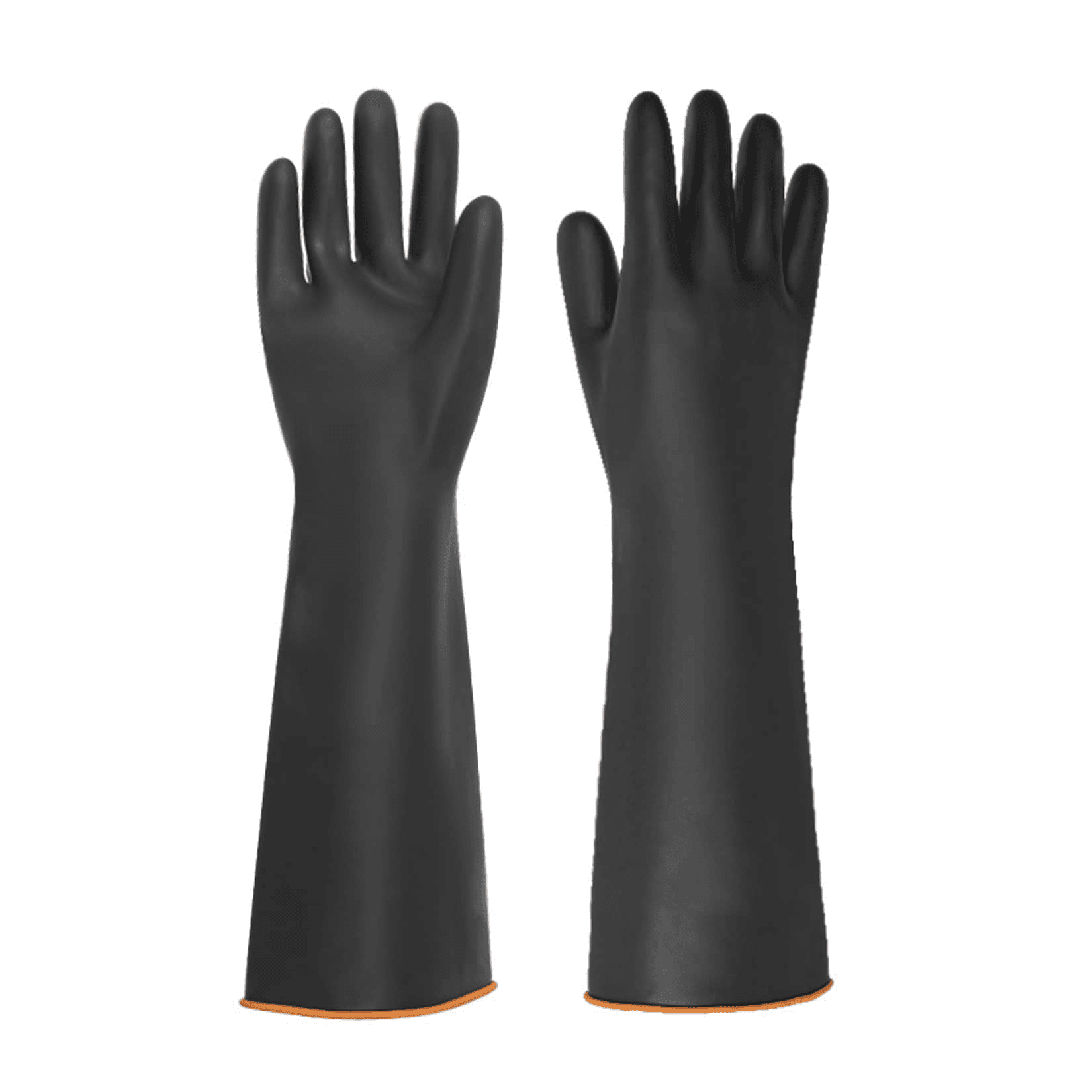
Product overview
Industrial glove cuff length is a sourcing decision, not just a measurement on a specification sheet. For cleaning contractors, maintenance suppliers and distributors, cuff length affects coverage, ease of movement, packing volume and the way a glove range is presented to buyers. A useful brief begins with the task and ends with an approved sample, rather than choosing the longest available glove by default.
Start with the task and work routine
Write down where the gloves will be used before selecting a length. Routine maintenance, machine-area cleaning, facility care and general handling can have different needs for hand movement, sleeve overlap and wet-work coverage. Note whether users work at bench height, handle buckets, reach into containers or carry tools. This gives the supplier a practical basis for proposing an appropriate industrial glove cuff length.
Cuff length should be reviewed with the complete workwear system. A glove that overlaps a sleeve comfortably in one task may feel restrictive in another. Ask users to put on the selected size, move through the actual routine and remove the gloves as they normally would. That simple trial often identifies issues earlier than a catalogue comparison.
Use coverage as a defined requirement
A longer cuff can provide more lower-arm coverage during wet cleaning or splash-prone routines. It can also affect dexterity, storage space and the perceived value of the product. State the finished length required for the selected model, together with a measurement method and acceptable tolerance. Avoid relying only on terms such as “long cuff” or “gauntlet,” because those terms do not define a finished dimension.
Coverage alone does not establish suitability for a chemical or hazard. If a programme involves a named substance, confirm the exact chemical, concentration, temperature, contact time and glove model with the relevant supplier or specialist before purchase. Product samples should be evaluated in the intended routine and against the documentation required by the destination market.
Match material and construction to the programme
Latex, nitrile and PVC industrial glove options can be discussed around the application, desired hand feel, surface pattern, lining and packing route. The material name does not replace a specification. A buyer should identify the target task, chosen size range, cuff length, grip preference, colour and unit pack before comparing quotations.
For a mixed product range, use the same review format across materials. Record the model, sample date, finished length, palm construction, lining, size and packaging option. This creates a clearer approval record and helps the purchasing team distinguish a genuine product difference from a change in artwork or photography.
Check the cuff during sample approval
Review both gloves in a pair. Check that cuff edges are even, the opening is comfortable, the cuff stays in place during normal movement and the finish is consistent across samples. If the glove uses a rolled edge, extended cuff or a different construction, record that feature in the approved specification. Take labelled photos of the selected sample and retain them with the purchase order.
A good approval sheet should also include the carton count and dimensions. Longer gloves can affect the number of pairs per carton and warehouse slotting. Confirm the consumer unit, inner pack, master carton, carton marks and size identification before artwork or bulk production is released.
Build a range that buyers can replenish
Distributors and contract-cleaning suppliers need products that are easy to identify and reorder. Use a clear product name, material, size, cuff length and packing description on each purchasing record. Keep the approved sample, specification, artwork version and carton data together. For repeat orders, this record makes it easier to identify the same construction rather than a visually similar alternative.
Where a customer needs more than one length, explain the reason for each option: for example, a standard industrial style for routine work and an extended-cuff style for a defined wet-work task. Avoid creating extra variants without a task or sales-channel reason, since every size, colour and cuff combination adds inventory complexity.
Questions to include in an RFQ
A complete industrial glove inquiry should state the application, target material, finished cuff length, size range, preferred palm finish, lining requirement, colour, packaging, destination market and expected order volume. Include photos or a reference model where available. If samples are required, ask for the selected sizes and cuff lengths so the evaluation reflects the proposed order.
RSG Gloves supplies industrial latex, nitrile and PVC glove options for professional cleaning, maintenance and task-specific programmes. Explore the [industrial latex glove range](/products/#latex-industrial-gloves), [industrial nitrile glove range](/products/#nitrile-industrial-gloves) and [industrial PVC glove range](/products/#industrial-pvc-gloves), then send an RFQ with the intended task and preferred cuff length.
Use this guide to prepare the right questions.
This article is a sourcing checklist prepared by the Red Sunshine product and export team. Product suitability, documentation and final specifications must be confirmed for the selected model, application and destination market.
See our factory and quality processNext step
For an order-specific recommendation, send your application, preferred configuration, packaging direction and destination market to our team.
Send your requirements