 RED SUNSHINE
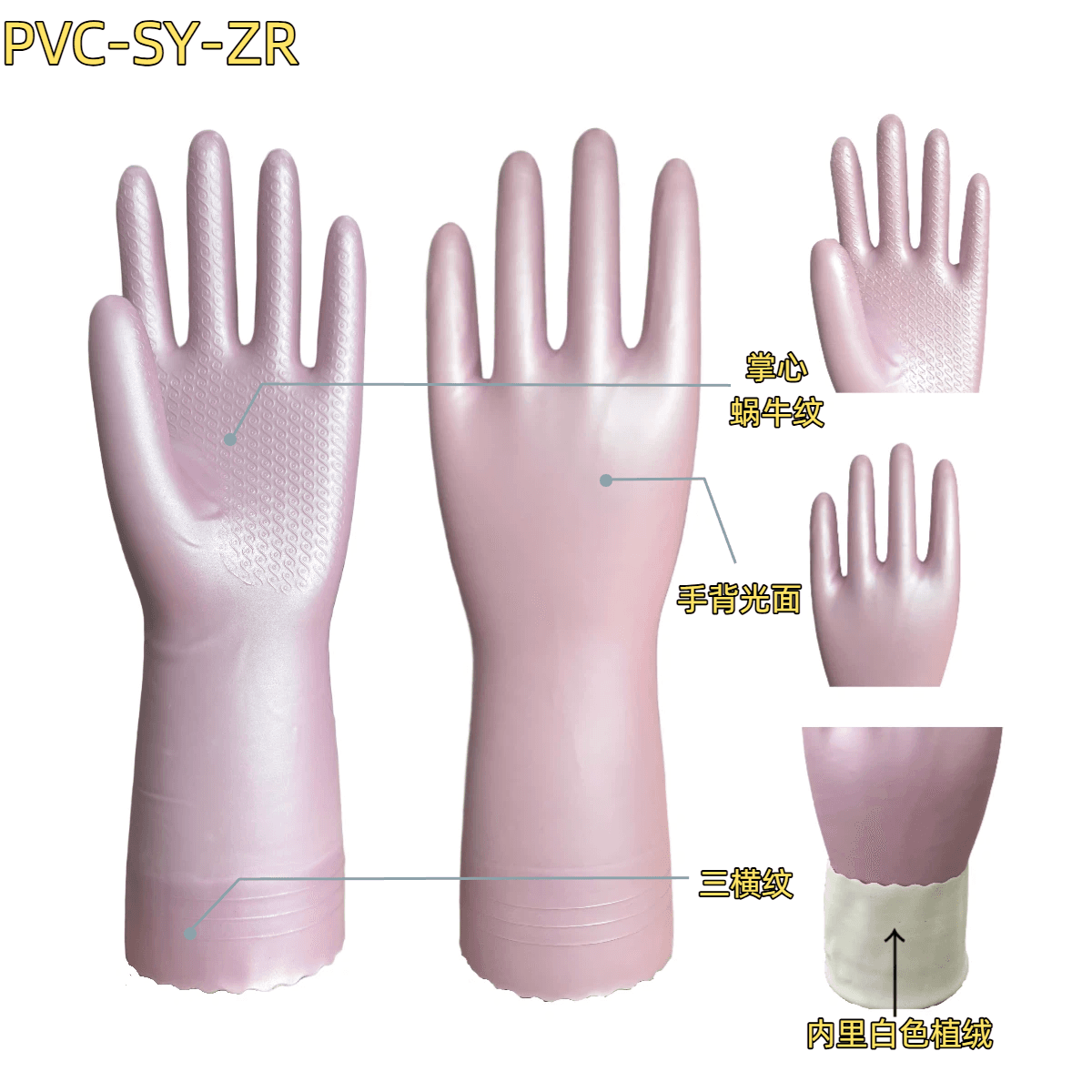
Product overview
A glove purchase order should turn every agreed commercial and product detail into one clear, version-controlled instruction. The most useful order does more than state a total quantity and price: it identifies the exact model and approved sample, breaks down sizes and colors, defines packing and labels, records the delivery point and inspection method, and says how changes are approved. That structure reduces avoidable questions during production and makes a later discrepancy easier to investigate.
This guide is for importers, distributors, retailers and contract-cleaning buyers sourcing reusable latex, nitrile or PVC gloves. It is operational guidance, not legal advice. The parties should confirm their own contract language, destination-market rules and logistics arrangements in writing.
Start with a purchase-order control block
Put a short control block on page one. Include the buyer and seller legal names and contacts, PO number, issue date, currency, payment reference if already agreed, revision number, and the documents that form part of the order. List the accepted quotation, approved artwork, approved sample or sample reference, packing specification and any agreed inspection instructions by document title, date and version.
A PO needs a single source of truth. If the quotation says one thing while a later email says another, an unnumbered email trail is hard for a production planner or inspector to apply. A practical method is to state: “This PO revision supersedes all prior PO versions,” then log each later change with a date, owner and written acceptance. Do not assume a supplier can infer which attachment is final.
Identify the glove precisely
Use the supplier’s exact model or SKU. A generic line such as “green household gloves” can describe many materials, lengths, cuff shapes, linings and grip patterns. For each line item, record the product family, model, material, intended use as agreed, color, size range and any confirmed physical details. Do not add a performance claim merely because it is common in the market; specify only what the parties have actually agreed or what an applicable requirement demands.
Where a product range is still being chosen, use product pages as a starting point and carry the final model into the PO. For example, buyers can compare latex household gloves, nitrile household gloves and PVC household gloves before locking the item reference. For tougher work settings, the order should distinguish the exact latex industrial gloves or nitrile industrial gloves model selected rather than simply saying “industrial glove.”
Attach an approved-sample reference
An approved sample is only useful when people can identify it. Put a sample code, date, photos or a signed sample record in the order package. State which characteristics the sample confirms and which items remain governed by the written specification. For instance, a sample may establish color appearance, cuff finish and packaging layout, while carton marks and final size ratios appear in a separate approved file.
Keep a retained sample with each party when feasible. If a production sample is not available, use controlled photographs, artwork files and measurement instructions. This is especially helpful when a private-label order includes custom colors or retail packaging. The sampling plan should be agreed before production, not reconstructed after a shipment is packed. See how to build a glove sampling plan before a bulk order for the preparation questions to settle before issuing the PO.
State quantities by SKU, size and color
A total-pair quantity does not tell the factory how to allocate sizes. Give a table for each model and color with the exact quantity of S, M, L, XL or another agreed size set. Include the unit used—pairs, dozen pairs, inner packs or cartons—so that the order total can be checked consistently.
If a size mix may move, say who can request a change, when it must be requested and how written acceptance is recorded. Do not leave the phrase “assorted sizes” unexplained. A clear size-and-color schedule helps the buyer’s inventory team, factory planning team and packing staff work from the same quantities.
Define packaging from the inside out
Packaging is a fulfillment specification, not an afterthought. Describe the unit pack, inner pack, master carton, sealing method where applicable, assortment rules, carton count, carton markings and any barcode or label artwork that has been approved. Include a drawing or file name if the order uses custom print.
The packing list should be capable of reconciling the PO quantities: units per inner, inners per carton, pairs per carton and total cartons. Exact carton dimensions and gross or net weights should be recorded only when confirmed, rather than estimated for convenience. The U.S. International Trade Administration describes the export packing list as a document that itemizes shipment contents and package information; it is a useful reminder to align PO packaging instructions with the later shipping documents. https://www.trade.gov/common-export-documents
For more detail, use the companion guide: how to specify glove carton packing for import orders. It helps turn a general request for “retail packing” into a checkable pack-out instruction.
Include labels, artwork and destination details
Name the destination country, consignee or delivery point as applicable, and identify which party supplies label text, translations, barcode numbers and artwork. State the artwork revision and approval date. If destination regulations, language rules or product markings apply, the importer should verify the current official requirements for that market and provide the final approved content before production or packing.
Do not rely on a product photo to communicate a label requirement. A label file, placement guide and version number prevent an older design from being reused. If an importer needs a private label, OEM and private-label support can be discussed before the PO is finalized; the PO should then identify the agreed artwork instead of describing a brand only by name.
Name the delivery point and trade terms accurately
The PO should state the agreed delivery location, the named place or port, mode of transport if agreed, and the applicable Incoterms® 2020 rule where the parties use ICC trade terms. Incoterms rules help allocate tasks, costs and risk between buyer and seller, but they do not replace a complete sales agreement. The ICC explains the current Incoterms® 2020 framework here: https://iccwbo.org/business-solutions/incoterms-rules/incoterms-2020/
Avoid vague instructions such as “deliver to Europe” or “FOB China” without the agreed named port. Similarly, a requested ship date, readiness date, booking cutoff and document deadline are different milestones. Record the particular milestone that each party has agreed to manage. Do not invent a delivery promise in the PO when the production and logistics plan has not been confirmed.
Make inspection practical and proportionate
Specify whether the buyer, a third-party inspector, the supplier or another agreed party will inspect. Identify the timing—such as pre-shipment—plus the order documents that will be checked: model, size mix, visual condition, labels, package count, carton marks and approved artwork. Separate visual or dimensional checks from laboratory testing. A routine pre-shipment visit does not prove every technical property, and a test report should be requested only where the buyer’s specification or destination rules call for it.
Define what happens if a discrepancy is found: who receives the report, when corrective action is reviewed, and whether a re-inspection is needed. The goal is a documented decision path, not an unrealistic claim that every issue can be eliminated. Read how to evaluate reusable cleaning gloves before importing alongside the final PO checklist.
Set a change-control process before production starts
Changes are normal; uncontrolled changes cause mistakes. The PO should name authorized contacts on both sides and require written approval for revisions to model, size mix, color, packaging, artwork, labels, quantities, delivery point or inspection scope. A revision log should show what changed, why it changed, the date and the approver.
This protects both sides. A buyer can prove which version was requested, and a supplier can stop work when a late change affects materials, printing or packing. If a change may affect price, timing, compliance documents or logistics, the parties should update the relevant commercial and operational terms before proceeding.
A usable line-item checklist
Before issuing a glove purchase order, confirm that every line item answers these questions:
- Which exact model or SKU is ordered?
- Which approved sample, photo or specification controls the product?
- What is the quantity by size, color and unit of measure?
- What unit pack, inner pack, carton count and carton marks are approved?
- Which artwork, labels and language files are final?
- Where is delivery required, and which agreed trade term applies?
- Who inspects, when, and against which checklist?
- Who may approve changes and how is a new revision issued?
Frequently asked questions
### Is a quotation enough to start production?
A quotation records commercial discussion, but it may not include a complete allocation by SKU, size, packaging and artwork. Pair the accepted quotation with a detailed PO and its referenced attachments.
### Should a PO state the glove material?
Yes. Record the agreed material and exact product model. Do not treat “rubber glove” as a full specification when latex, nitrile and PVC options are sold in the same range.
### Can packaging be confirmed after the PO?
It can be revised only through the agreed written change process. Packaging affects materials, printing, packing and shipment documents, so the earlier it is finalized, the clearer execution becomes.
### Does an inspection guarantee compliance?
No. Inspection scope must be defined. Visual and packing checks are different from laboratory testing or regulatory verification.
### What is the best way to manage a private-label artwork update?
Issue a new, dated artwork file and PO revision. Record the approved version, placement and party responsible for final proof approval.
### What if an importer has not selected the final glove model?
Do not issue a vague bulk PO. First compare the intended application and the confirmed product options, then request an inquiry through our RFQ contact page with use case, model, size range, packaging and destination.
Final check before release
A well-written glove purchase order does not create product facts or commercial commitments that have not been agreed. It records the decisions that allow a manufacturer, inspector and logistics team to execute the same order. Before release, compare the PO with the accepted quote, approved sample, artwork, packing sheet and destination plan. When all versions match, the order becomes a practical handoff rather than a collection of assumptions.
Use this guide to prepare the right questions.
This article is a sourcing checklist prepared by the Red Sunshine product and export team. Product suitability, documentation and final specifications must be confirmed for the selected model, application and destination market.
See our factory and quality processNext step
For an order-specific recommendation, send your application, preferred configuration, packaging direction and destination market to our team.
Send your requirements