 RED SUNSHINE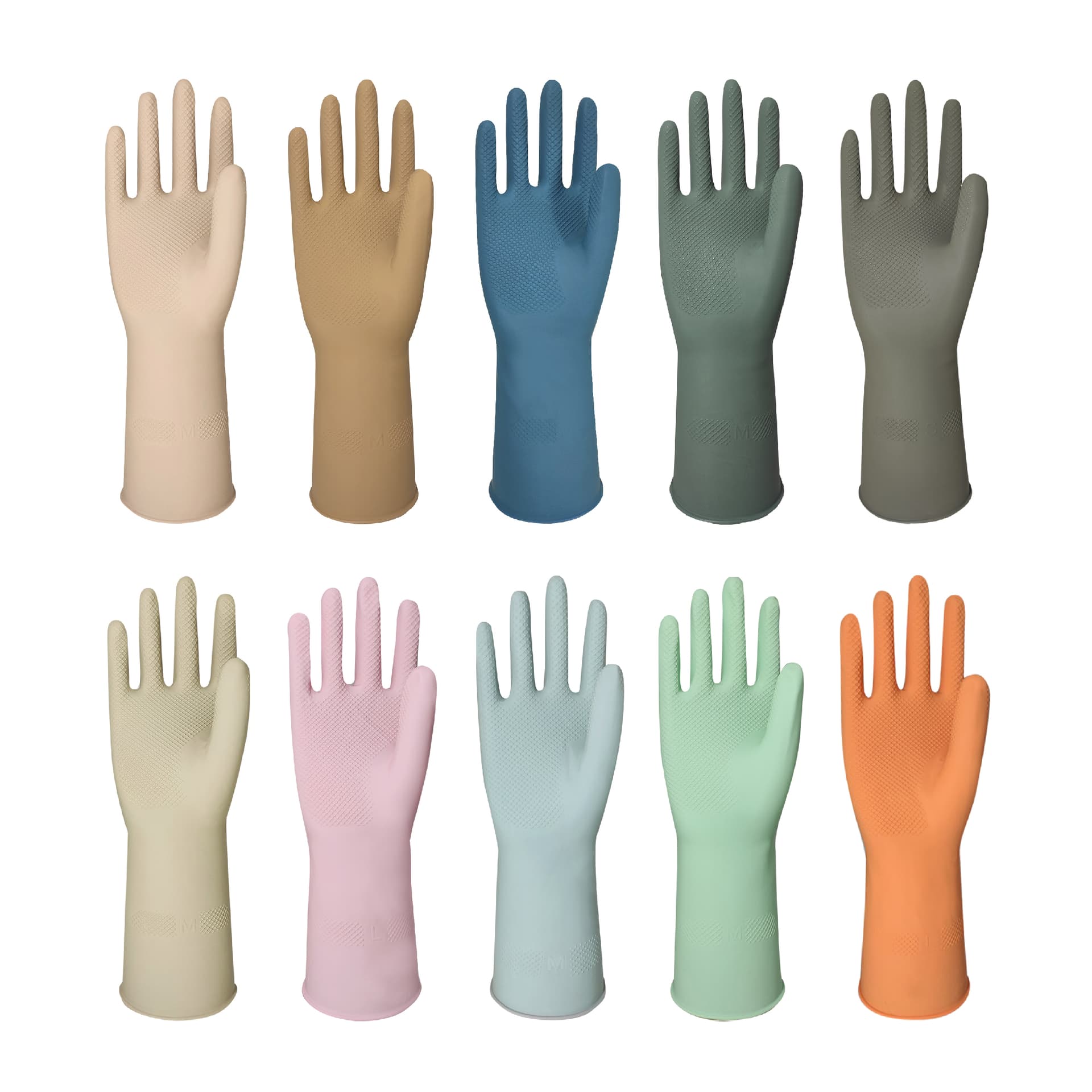
140th Canton Fair 2026: why glove buyers are looking at Guangzhou
The 140th Canton Fair 2026 is bringing international buyers and suppliers together in Guangzhou this autumn. For importers, distributors, retailers and cleaning supply businesses, the event offers an opportunity to compare products, meet potential partners and turn broad purchasing ideas into specific, testable requirements. If your sourcing list includes household or industrial gloves, a clear plan can make your visit more productive.
This guide brings together the published fair schedule and opening news, then translates the information into practical steps for buyers considering latex, nitrile and PVC gloves. It also explains how to arrange a separate conversation with RSG Gloves while you are in Guangzhou. Fair schedules and exhibitor details can change, so check the organizer's latest information before booking travel or meetings.
The three phases and the dates to know
According to the Canton Fair organizer, the autumn exhibition is scheduled in three phases. Phase 1, themed Advanced Manufacturing, runs from October 15 to 19, 2026. Phase 2, themed Quality Home Life, runs from October 23 to 27. Phase 3, themed Better Life, runs from October 31 to November 4. The venue is the China Import and Export Fair Complex in Guangzhou. Allow for the breaks between phases when planning flights, accommodation and appointments.
Household products are part of the broader Phase 2 program, making that period particularly relevant to many home-care and retail buyers. This does not mean every glove supplier or product will be located in a particular hall or phase. Use the official exhibitor directory and confirm product categories, stand details and appointment availability directly with each company. If your business also buys industrial equipment or other categories, compare the published exhibit scope of the other phases before finalizing the itinerary.
Opening news: what the first days tell buyers
Guangzhou's English-language government news service reported that Phase 1 opened on October 15, 2026. Its opening-day report described 19 exhibition areas, more than 25,000 booths and over 12,000 companies for the first phase. These figures concern Phase 1 as reported at opening, not the number of glove companies or the attendance of later phases. The same report highlighted a new-product launch area and planned launch activities. For visitors, that scale is a useful reminder that careful filtering and scheduled meetings can save considerable time.
The report also described navigation and digital services intended to help visitors find their way around the exhibition. Buyers can use such tools to identify relevant halls, but should still keep exhibitor contacts, appointment times and product notes in a separate list. The Ministry of Commerce's fair introduction also describes an online platform available year-round. Online research is useful before and after a trip, especially when a sourcing team needs to share product information with colleagues who remain at home.
What this news means for cleaning and glove buyers
A major trade fair attracts more information than one buyer can absorb in a single day. A glove buyer's advantage comes from separating general product discovery from a structured sourcing decision. Take photographs only where permitted, save supplier details with the relevant product information, and write down the exact model rather than relying on an image or a broad category name. Similar-looking gloves can have different materials, cuff lengths, sizes and packaging.
Set two or three measurable objectives before arrival. A supermarket may want to compare a core household range and private-label packaging. A cleaning distributor may need to standardize size and color options across several customers. An industrial buyer may need a longer cuff or documentation for a defined application. These goals will help decide which samples to inspect and which discussions deserve follow-up after the exhibition.
Before the fair: prepare a short sourcing brief
Start with the customer and the task. Describe where the gloves will be worn, who will wear them, how frequently they are replaced and what buyers currently like or dislike about their existing product. Separate household dishwashing and general cleaning from industrial tasks; the two may require different dimensions, construction and performance evidence. Avoid using a single phrase such as “strong gloves” as the whole specification.
Add the material, preferred length, size range, color, lining or finish, grip pattern and estimated purchasing volume. Where relevant, list the liquids, substances, temperatures and expected contact time. Do not assume a glove is suitable for a chemical simply because it is made from latex, nitrile or PVC: chemical compatibility depends on the formulation, concentration, exposure and test method. Ask for model-specific evidence and involve the appropriate safety specialist in the final selection.
Finally, include the destination market, target packaging, expected shipping window and the documents your customers require. If the specification is incomplete, mark the missing items as questions rather than guessing. A short, honest brief gives the supplier a better starting point and helps prevent an attractive sample from being compared against an unsuitable commercial requirement.
Comparing latex, nitrile and PVC household gloves
Latex household gloves are often considered where buyers value a flexible feel for everyday cleaning. Compare the shape, fit, cuff, interior finish and grip of actual samples, and discuss any natural rubber latex allergy concerns with the intended users. A label that simply says latex does not establish the performance or comfort of every model. See the latex household glove range for examples to discuss.
Nitrile household gloves are another option for buyers seeking a non-natural-rubber material. Ask the supplier to identify the particular model and formulation, then compare comfort, thickness, grip and available colors against the task. The nitrile household glove range provides a starting point for a sourcing conversation. Do not treat the material name as proof of suitability for all oils, solvents or cleaning chemicals.
PVC household gloves can offer another material and design choice for retail and cleaning programs. Examine the cuff construction, flexibility, interior and surface texture, and ask about available sizes and packing. Review the PVC household glove range before requesting model-specific samples. Pricing, availability and required order volumes depend on the final configuration and must be confirmed in a quotation.
Industrial gloves: define the work before the material
For industrial procurement, define the work environment before asking for a product recommendation. Is the main activity wet cleaning, handling equipment, maintenance or another task? What parts of the hand and forearm need coverage? Are workers handling sharp items, heated materials or chemicals? How long is exposure, and which other protective equipment is used? The answers determine which product features and evidence need investigation.
The latex industrial glove range and nitrile industrial glove range can help buyers identify possible starting points. Compare the actual models, not only the category names. Longer cuffs may be useful for some wet tasks, but cuff length alone does not establish protection. Grip, flexibility, sizing and the ability to perform the task safely also matter. Request relevant documentation for the exact product and intended use.
If workers face chemical, cut, heat or other hazards, ask qualified personnel to perform a risk assessment and select protection against the applicable local requirements. Supplier samples are valuable for fit and handling evaluation, but a trial by itself does not replace appropriate laboratory evidence or workplace safety procedures. When documentation is unavailable, record the gap and avoid unsupported claims in packaging or marketing.
A practical product comparison at the fair
When comparing suppliers, create a separate record for every sample. Record supplier name, model number, material, size, length, color and packaging configuration. Note whether the sample is an existing product or a proposed custom version, because development work can change minimum quantities, timing and price. Where possible, ask for written dimensions and acceptable tolerances rather than comparing by eye alone.
Put samples through the same preliminary review: visual condition, fit for representative users, ease of donning, grip in the relevant dry or wet task and any differences between sizes. Record observations rather than treating a brief demonstration as a certified performance test. If you need a claim about food contact, chemical resistance or a protective standard, ask for current documents applicable to the exact model and market and have them checked by a competent person.
Photograph the product and its label together so the model number is not lost. Retain the original sample packaging, and ask who will provide a final approved sample if the project proceeds. A simple sample log can prevent confusion when several suppliers display gloves that look alike but use different materials, designs or production specifications.
Questions for your supplier meeting
Ask which products are already available and which require customization. Confirm the sizes and colors offered for each specific model, the way length and weight are measured, and whether variations exist across sizes. Discuss the intended use in plain language and ask the supplier to flag limitations or missing information. Request a clear product sheet when available and identify which details still need confirmation.
For a potential order, ask how quotation quantities are calculated, whether a quote is per pair, dozen or carton, and what packaging is included. Confirm the expected order minimum for the chosen model and configuration; a general website figure should not substitute for a written quote. Ask about sample charges, lead times, payment terms, shipping terms and the factors that could alter the production schedule.
A strong conversation also covers quality control. Agree on the appearance and dimensions that matter, how the approved sample will be identified, how changes are communicated and what inspection arrangements the parties will use. If you need specific testing or third-party inspection, raise it before a purchase order, so responsibilities, scope and costs can be discussed openly.
Private label and packaging discussions
A fair visit is a useful moment to compare packaging in person. Bring examples of your preferred retail sleeve, printed bag or carton, and explain how the product will be sold. A retail glove must communicate the material, size and intended use clearly, while a professional cleaning distributor may prioritize an easy-to-identify bulk pack. Translate customer requirements into a packaging brief and request a review before artwork is finalized.
Discuss logo placement, color matching, language, barcode placement, carton markings and any required warnings. A photograph of a sample is not enough to approve final artwork: request the correct files and check all claims, translations and market-specific labeling requirements. The OEM and private-label page outlines topics to discuss with the RSG team. Custom options are subject to feasibility, confirmation and the agreed order terms.
For a retailer managing several sizes or colors, keep the SKU structure simple. A consistent naming convention helps the warehouse, buyer and customer service team understand which item is inside each pack. Before printing large quantities, review a physical or otherwise agreed packaging proof and ensure that the approved product and packaging specifications are recorded together.
Plan sampling and quality checks after the event
Collecting many samples is only the first step. Decide who will evaluate each sample, which sizes are needed and how the results will be recorded. Provide the same task description to each evaluator so comparisons remain meaningful. If the buyer's users have different hand sizes or perform different cleaning tasks, include those differences in the evaluation instead of relying on a single person.
Use a written scorecard for fit, dexterity, comfort, grip, cuff length and observable finish. Include space for comments and a record of conditions, such as whether surfaces were wet or dry. These observations help screen candidates but should not be promoted as quantified technical results. Where a protective or regulatory claim is required, obtain suitable evidence separately.
Once a candidate is selected, confirm an approved reference sample, a written specification and the packaging. Agree on production tolerances, acceptable variation and the inspection plan before manufacturing. Ask how the supplier will handle a discrepancy and whom the buyer should contact. These steps can save time after the excitement of the fair, when procurement teams need to turn conversations into dependable orders.
How to use the time between fair phases
The breaks between phases can be useful for consolidating notes, comparing quotations and following up with suppliers. Share your shortlist with colleagues at home and ask which questions remain unanswered. Group meetings by location and allow time for travel across Guangzhou. Confirm opening hours, public holidays and meeting arrangements directly, rather than assuming every office or facility follows the fair schedule.
If you want a focused glove discussion, arrange it in advance and send your sourcing brief. A meeting can cover household and industrial ranges, sample availability and private-label requirements without trying to resolve every detail in a busy exhibition hall. If an on-site visit is of interest, ask the supplier whether it is available and obtain the confirmed address and appointment time before traveling.
For teams unable to attend in person, use the organizer's online platform and the supplier's website to collect initial details. Request photographs, model numbers and a quotation in writing, then arrange samples and appropriate documentation before making a decision. Online research extends the sourcing process but should not replace the checks needed for your particular product and market.
Managing price, lead time and order risk
A useful quotation compares the same specification across suppliers. Make sure each price refers to the same material, model, size mix, color, packaging and unit of measure. Clarify what is included in the shipping term and whether testing, artwork, samples or inspection are priced separately. If the specifications are different, a lower unit price may not represent an equivalent offer.
Discuss the requested delivery date and work backwards through sample approval, artwork confirmation, production, inspection and transport. The supplier should confirm its own schedule for your order; a fair meeting does not guarantee capacity or a fixed delivery date. Leave room for changes when specifications, documentation or transport arrangements are still being finalized.
For a new relationship, agree on a documented communication process. Keep quotations, approved samples and artwork versions together, identify decision makers on both sides and confirm changes in writing. A small clarification before production can prevent a costly misunderstanding later. The goal is not simply to find a product at the fair, but to build a purchasing process that remains clear after the fair closes.
Frequently asked questions
When is the 140th Canton Fair 2026? The organizer lists Phase 1 on October 15–19, Phase 2 on October 23–27 and Phase 3 on October 31–November 4, 2026. Check the official website for the latest schedule, entry requirements and any changes before you travel.
Which phase should household glove buyers consider? Phase 2 focuses on Quality Home Life and includes household product areas, so it can be a useful starting point. Confirm the relevant exhibitors and their specific display information through the official directory. Individual companies may arrange meetings outside the exhibition.
Can I compare latex, nitrile and PVC gloves during a Guangzhou sourcing trip? Yes, if the suppliers you contact have suitable samples available. Ask in advance for model numbers, materials, sizes and relevant documentation, and compare products against your intended tasks and market requirements.
Can RSG Gloves provide private-label options? RSG discusses customization such as color, logo and packaging. Availability, technical feasibility, quantities, pricing and lead times depend on the selected product and project; ask the team for a written confirmation.
How do I arrange a meeting with RSG Gloves? Send your preferred dates, company name, products of interest and contact details to the team. Request confirmation of the meeting location, sample availability and whether a visit can be arranged before making travel plans.
Does attending the fair guarantee a product meets my local regulations? No. Buyers remain responsible for assessing the specific product and its intended use against applicable requirements. Request current, model-specific evidence and consult qualified advisers when needed. A material name, sample or general supplier statement is not a substitute for appropriate documentation.
Sources and fair information
The phase dates and official visitor information are published by the Canton Fair organizer at https://www.cantonfair.org.cn/en-US. The Ministry of Commerce introduction to the 140th fair is available at https://www.mofcom.gov.cn/zwjg/jmxw/yz/art/2026/art_233a95ba0cd643babe2003d6f801a2b8.html. Guangzhou's October 15 opening-day report is at https://www.eguangzhou.gov.cn/gzlatest/content/post_45879.html. Fair information in this guide was checked on October 17, 2026; consult those sources for updates.
Meet RSG Gloves in Guangzhou
If you are traveling to Guangzhou for the 140th Canton Fair 2026, we would be pleased to discuss your household and industrial glove requirements and explore a suitable meeting or visit by appointment. Whether you are sourcing for a retail range, a distributor, a cleaning program or an OEM project, share your intended application, target models, sizes, quantities and destination market so our team can prepare relevant information.
Email: fiona@rsgloves.com. WhatsApp: +86 159 2015 1581. You can also use the contact and inquiry page. Our Guangzhou office is listed at Room 1208, Yinghao Bldg, #470 Dongjiaobei Rd, Liwan District, Guangzhou, Guangdong, China. Please contact us first to confirm the meeting place, time and availability. We look forward to welcoming you and learning about your sourcing plans.
Use this guide to prepare the right questions.
This article is a sourcing checklist prepared by the Red Sunshine product and export team. Product suitability, documentation and final specifications must be confirmed for the selected model, application and destination market.
See our factory and quality processNext step
For an order-specific recommendation, send your application, preferred configuration, packaging direction and destination market to our team.
Send your requirements