 RED SUNSHINE
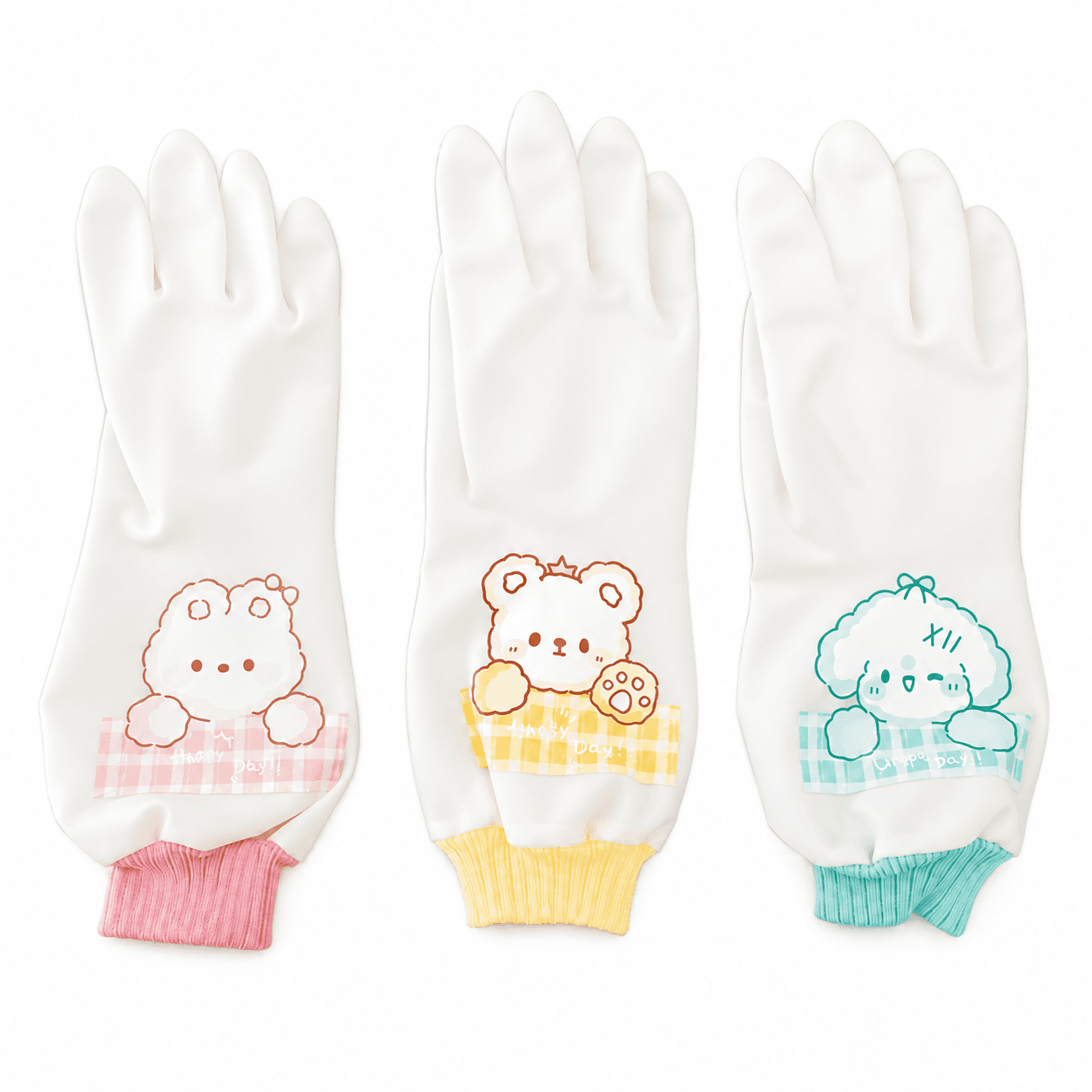
Product overview
Buyers should treat natural-rubber latex allergy as a product-selection and communication issue, not as a claim that one glove is universally safe for every user. Start by identifying whether a programme requires natural-rubber latex, then offer a clearly identified non-latex alternative where appropriate. Individual health decisions and workplace controls belong with the employer, user and qualified health professionals.
Start with the material, not a performance assumption
Natural rubber latex is a distinct material. A reusable glove described as “rubber” should not be assumed to be non-latex, and a nitrile or PVC option should not be described as allergy-proof. The most useful buyer brief names the requested material, the intended task, the size range, cuff length, grip or lining preference, colour, packaging and destination market. This lets the supplier quote the correct family and lets the buyer keep the material declaration consistent on product, packaging and sales copy.
For cleaning programmes, natural-rubber latex may be considered when its fit, elasticity, texture and familiar handling characteristics suit the approved application. If the programme needs an alternative to natural-rubber latex, buyers can request reusable nitrile or PVC glove options and compare the actual product configuration. Material is only one part of the decision: thickness, lining, cuff length, grip pattern, sizing, care instructions and the task environment still need review.
Ask the right questions in an RFQ
A clear inquiry avoids ambiguous phrases such as “latex free” without a reference product or material scope. Use a short checklist:
- State “natural-rubber latex” when that is the material being requested.
- State “non-natural-rubber latex option requested” when an alternative is required.
- Describe the cleaning, maintenance or handling task without claiming a chemical-protection level unless it has been verified for the exact model and use conditions.
- List the preferred sizes, colour programme, packing format and language required on labels or instructions.
- Ask for the product’s material description, available specifications and the documents relevant to the destination market.
- Keep a record of the approved sample, artwork revision and model code before bulk production.
Compare reusable alternatives honestly
Nitrile and PVC reusable gloves can be useful options for buyers who do not want a natural-rubber latex product in a particular range. They should be evaluated as their own product families, not as a replacement with identical feel or task suitability. A buyer can compare sample pairs for fit, dexterity, lining, cuff coverage, surface texture, packaging and the conditions of the intended work. For a multi-material range, assign a distinct model code and product description to each material so a purchaser or end user can identify it easily.
A colour-coded programme can support operational sorting, but colour does not prove material, hygiene performance or protection. Product names, labels and training materials should identify the material in plain language. Where a customer supplies its own claims or destination requirements, confirm the final wording before packaging is printed.
Separate supplier facts from health guidance
A supplier can provide confirmed product information: the material named for a model, available sizes, packaging options, sample references and applicable documents that have been reviewed for the intended market. A supplier should not diagnose allergy, advise a person to continue using a glove after a reaction, or promise that any glove eliminates allergic risk.
For general occupational health context, buyers may consult authoritative sources such as the U.S. Centers for Disease Control and Prevention and NIOSH guidance on latex allergy. Those resources explain that workplace exposure management and individual assessment are important. They do not replace destination-market requirements, employer procedures or advice from qualified professionals.
Build the decision into the product brief
The best time to resolve material questions is before quotation and sampling. Put the following information on one page: target country, intended application, requested material or alternative, model reference, sizes, colour, cuff length, lining, packaging, label language, destination documentation needs and sample approval contact. If any item remains open, label it “to be confirmed” instead of converting it into a product promise.
RSG Gloves supplies reusable household and industrial glove programmes in latex, nitrile and PVC configurations. For an OEM inquiry, share the task, market, requested material and packaging concept. Our team can help organise a product brief and propose relevant sample options; final selection should be confirmed against the buyer’s product, market and workplace requirements.
Frequently asked questions
### Does non-latex mean a glove is suitable for every user?
No. “Non-latex” describes a material choice. It does not make a universal health, comfort or task-performance promise. Review the exact product and workplace requirements.
### Should packaging say latex-free?
Use only wording supported by the material and the final approved packaging review. If the requirement is simply to avoid natural-rubber latex, use clear material identification and confirm destination-market wording before print.
### Can a buyer rely on colour to identify glove material?
No. Use the model code and material description on the product and packaging. Colour can support range organisation but should not be the only identifier.
Use this guide to prepare the right questions.
This article is a sourcing checklist prepared by the Red Sunshine product and export team. Product suitability, documentation and final specifications must be confirmed for the selected model, application and destination market.
See our factory and quality processNext step
For an order-specific recommendation, send your application, preferred configuration, packaging direction and destination market to our team.
Send your requirements