 RED SUNSHINE
How can buyers transfer reusable glove programs to a new supplier without losing approved details?
Buyers can transfer reusable glove programs by preparing one controlled brief that identifies the exact models, size and colour mix, approved packaging, artwork and open points. A new supplier should not be asked to recreate an established range from a short product name or a photo alone. The brief gives both sides a practical way to compare the requested item against the existing program before an order is released.
A supplier transition is a purchasing decision, not a claim that any product will be identical. Material names such as latex, nitrile and PVC are broad categories. Buyers should identify the exact selected model and then confirm which features, documents and destination-market information apply to that model.
Start with the products that are actually being transferred
List every sellable SKU separately. Include the internal reference, material category, intended use, available sizes, colour reference, cuff length or style, surface pattern and approved sample reference. If only some items are moving to a new supplier, say so clearly.
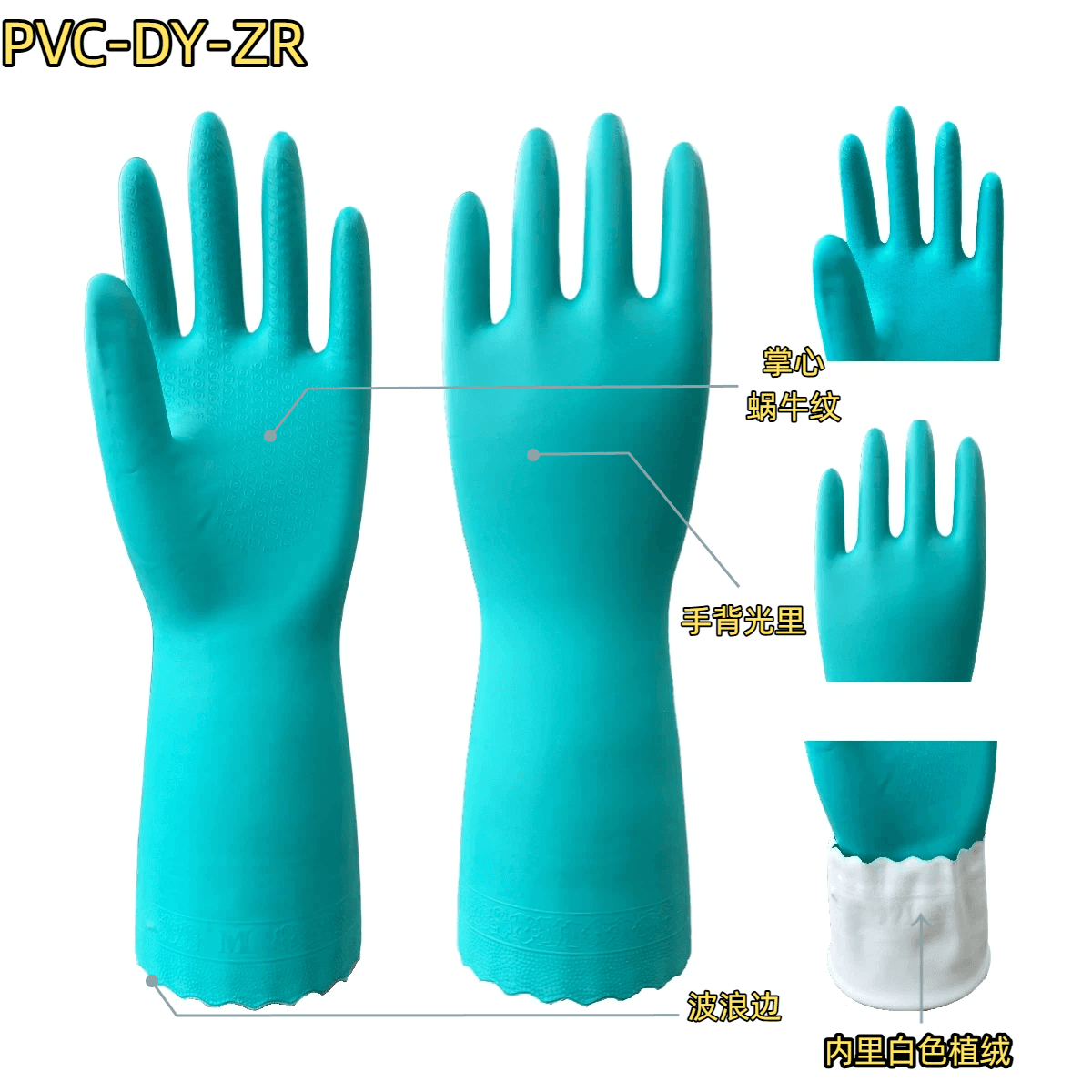
Use the relevant current range as a starting point. Buyers can compare latex household gloves, nitrile household gloves and PVC household gloves before defining which models belong in the transfer. Do not treat a material family name as a full specification or an assurance of suitability for every workplace.
Keep the product reference separate from packaging
The physical glove, retail pack and shipping carton may have different approval histories. Record each element separately:
- the selected glove model and approved sample reference;
- the size and colour combination by SKU;
- consumer pack, inner pack and carton configuration;
- artwork file name and revision;
- barcode, language or market-specific items that require review.
This prevents the new supplier from working from packaging that belonged to another model or previous market. It also helps the buyer ask focused questions when an item must be updated.
Compare the new supplier’s sample against the brief
Ask for samples or proofs only for the features that need confirmation. Compare the item against the controlled brief: the identified model, colour reference, size marking, packaging direction and artwork version. Record observations without assuming that a photo, a material label or a visual match proves a particular protection level or certification.
Where workplace hazards, legal labels or product testing matter, the buyer should define the intended application and verify the current destination-market requirements. A transfer brief supports this work but does not replace it.
Put open questions in a change log
Separate “approved” from “to be confirmed.” The change log can identify a requested colour, a revised carton mark, a pending artwork proof or a size item that needs a reference. For every change, record the request date, current status and the order where it becomes effective.
This prevents a new supplier from treating a discussion point as production approval. It also helps procurement and sales explain why the new order uses a specific version.
Prepare the first transfer order carefully
Before releasing the first order, compare the purchase order to the current brief. Confirm model, quantity, sizes, colours, packaging, delivery location and any agreed inspection direction. Keep the final sample or artwork proof linked to the order record.
For OEM or private-label work, the buyer can share the current product reference, packaging direction and destination through the RSG Gloves inquiry form. Clear information makes it possible to assess the request without guessing at the previous program.
Does changing suppliers mean the same product is automatically available?
No. Buyers should identify the exact required configuration and compare the new supplier’s sample or proof to the agreed brief. A similar material or colour name is not enough.
Should packaging be transferred with the glove?
Packaging can be transferred as a separate approved element. Confirm whether the consumer pack, cartons, labels and artwork version remain current for the intended order and market.
What should be kept from the former program?
Keep the approved sample reference, product and packaging records, artwork versions, open issues and any verified order-specific requirements. Use them as a reference, not as an assumption that every condition still applies.
Can the first order use a reduced SKU range?
Yes. Identify exactly which models, sizes and colours are included, rather than leaving the new supplier to infer the range from earlier sales history.
The handover that supports a clear order
A controlled transfer brief turns an uncertain supplier change into answerable product and packing questions. It helps buyers transfer reusable glove programs while preserving approved details and making every new decision visible before production begins.
Use this guide to prepare the right questions.
This article is a sourcing checklist prepared by the Red Sunshine product and export team. Product suitability, documentation and final specifications must be confirmed for the selected model, application and destination market.
See our factory and quality processNext step
For an order-specific recommendation, send your application, preferred configuration, packaging direction and destination market to our team.
Send your requirements