 RED SUNSHINE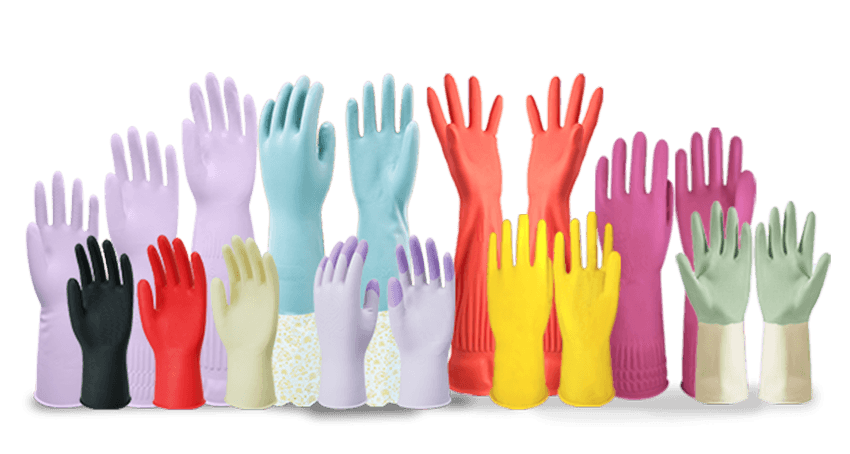
Quick answer
A successful private-label household glove program begins with a defined glove specification, an approved sample, controlled packaging artwork and an inspection plan. A logo alone is not a product specification: material, size, lining, grip, cuff, color, pack format and shipment requirements need to be agreed before production.
What private label means in household gloves
Private label means the buyer sells a glove under its own brand. Depending on volume and factory capability, the program can use a standard glove with branded packaging or a more developed specification with custom color, size mix, cuff, texture, logo treatment and retail pack. The degree of customization should match the commercial case and repeat-order forecast.
Start with the product, not the artwork
Before designing a bag or box, define the application and glove. A useful product brief states the intended task, material preference, target country, length, lining, grip pattern, colors, sizes, sales channel, packaging format, expected quantity and required delivery timing. This lets the supplier prepare a comparable quotation and practical sample plan.
Separate standard options from custom development
Ask the supplier to show which choices are standard and which need development. Existing colors, lengths, molds, textures and pack formats are often simpler to sample. Custom color matching, new printed packaging, special display packs, specific size mixes or new logo placement can change material requirements, minimum quantities and timing. This distinction prevents an attractive quotation from hiding later production constraints.
Build a written specification sheet
Create one document that can be read by the buyer, production team, quality team and packaging supplier. Include product name, SKU, material, approved color, length, sizes, lining, texture, cuff, pair count, packaging version, barcode, carton configuration and inspection requirements. Use version numbers for product and artwork files. Do not rely only on chat messages or unlabelled reference photographs.
Approve samples in sequence
First approve a development sample for fit, lining, grip, cuff, color direction and overall construction. Next approve the packaging proof for brand, size marking, barcode, origin statement, warnings and translations. Before full production, confirm that the approved glove and approved packaging are being used together. Retaining approved physical samples and final artwork files makes later shipment inspection much more reliable.
Design packaging for retail conditions
Packaging must work in a warehouse and on a shelf, not only in a digital mockup. Check that shoppers can identify color, size and pair count; that the pack protects the gloves; that any hanging hole fits the intended display; and that key claims are accurate and readable. Review barcode placement, country-of-origin wording, warning text and carton marks before mass printing.
Ask precise MOQ and lead-time questions
MOQ may vary by color, size, artwork version and packaging component. Ask for the MOQ per color and pack, whether sizes can be mixed, sample timing, artwork approval timing, production time after confirmation, peak-season constraints and what must be ordered in advance. Avoid making fixed public promises about MOQ or lead time until the exact specification is confirmed.
Use a pre-shipment inspection checklist
A shipment inspection should compare the order with the approved specification. Check material and style, color, size marks, length, lining, palm texture, cuff finish, visible defects, pair matching and odor. Then check packaging revision, barcode, brand, size label, pair quantity, seal quality, carton count and shipping marks. Review commercial documents and requested market-specific documentation against the final shipment.
Prepare for repeat orders
Save the final specification, approved sample photos, artwork, barcode, size and color mix, quotation reference, purchase order, inspection report and any corrective actions. This reorder file protects continuity when team members change or a product range expands. It also makes it easier to compare future production against the original approved standard.
FAQ: Can I begin with a standard glove and my own packaging?
Often yes. This is commonly a practical way to launch a private-label range with less development complexity. Confirm the supplier's packaging minimum quantity, artwork process and whether the desired sizes and colors can be combined in the first order.
FAQ: What information is needed for an OEM quotation?
At minimum, provide application, material, size range, color, lining, length, packaging type, destination market, estimated quantity and required delivery period. Clear information produces a more useful quotation and reduces sample revisions.
FAQ: Should I inspect a first shipment?
A first order, new supplier, new artwork or highly customized range generally benefits from a pre-shipment inspection. Agree the inspection scope and acceptance criteria before production, and provide the inspector with the approved sample and packaging artwork.
Next step
Planning a private-label household glove range? Send Red Sunshine your target market, glove material, colors, packaging concept and estimated volume. We can help turn those requirements into a structured OEM product brief and sample plan.
Next step
For an order-specific recommendation, send your application, preferred configuration, packaging direction and destination market to our team.
Send your requirements